
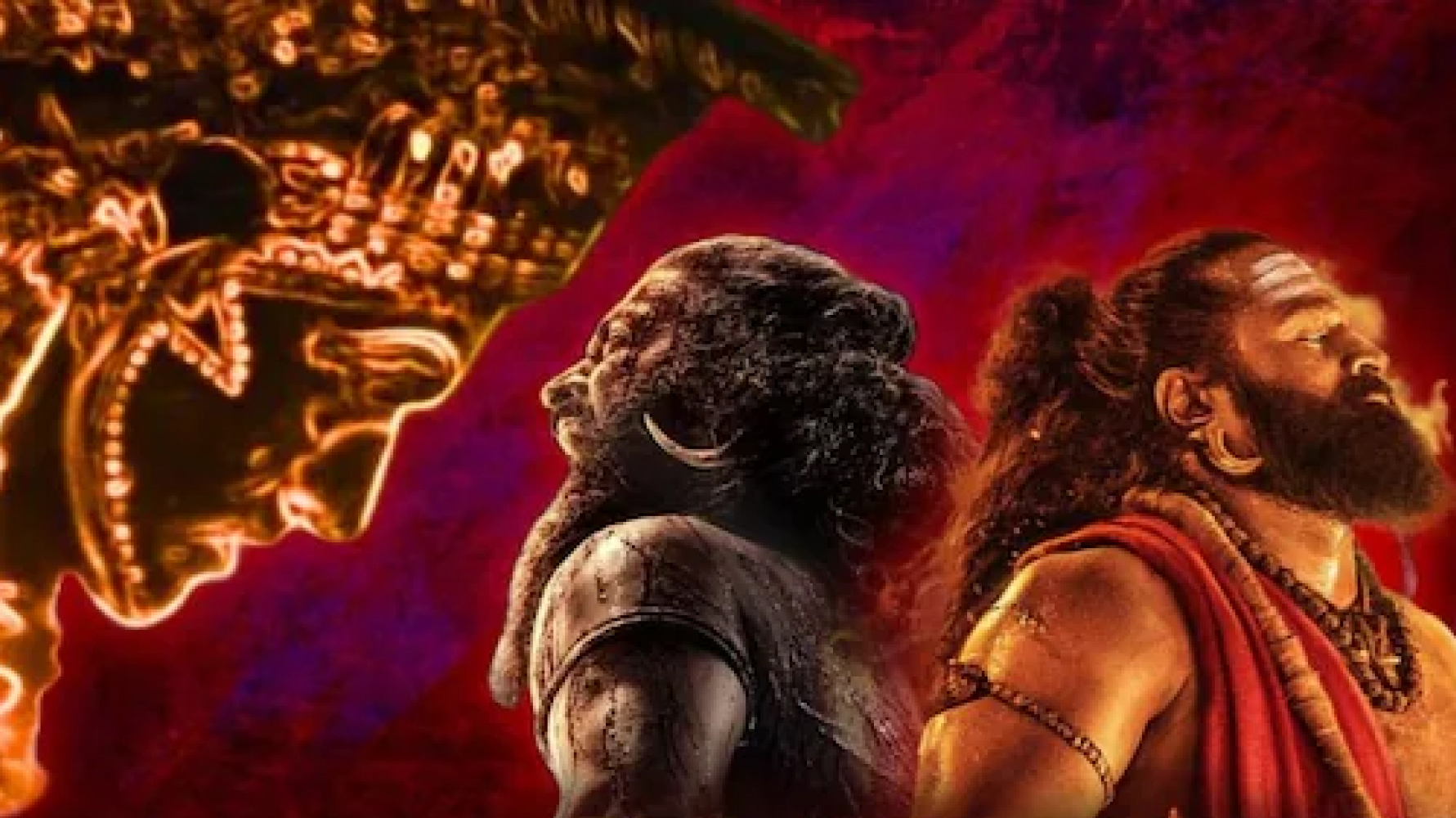
When Kantara hit theatres in 2022, no one expected a Kannada-language film set deep in the forests of coastal Karnataka to shake up the entire Indian film industry. Yet that’s exactly what happened.
Rooted in local myths, spiritual beliefs, and raw emotion, Kantara became more than a film it became a movement. And now, with Kantara: Chapter 1 officially in theatres, the phenomenon continues.
So how did a story born from regional folklore capture hearts across the country? And what does the roaring success of the new chapter say about the unstoppable rise of Kannada cinema?
Let’s break it down.
How Kantara Started a Revolution
When Kantara released, it wasn’t backed by massive marketing budgets or A-list celebrity power. It was a simple story of man, nature, and the divine told through the cultural lens of the Bhootha Kola tradition.
Audiences connected instantly not because of VFX or glamor but because of its truth. It showed that local stories, when told authentically, can resonate universally.
The film’s earthy dialogues, mesmerizing cinematography, and Rishab Shetty’s intense performance made viewers across India fall silent in theatres. People who didn’t speak Kannada still walked out whispering, “What a film!”
“You don’t just watch Kantara you feel it,” one critic wrote, and that summed it up perfectly.
Rishab Shetty: The Force Behind the Magic
If Kantara is a revolution, then Rishab Shetty is its revolutionary.
As both director and lead actor, Rishab brought a level of authenticity rarely seen in commercial Indian cinema. His approach wasn’t about building spectacle it was about building belief.
He once said in an interview, “We didn’t set out to make a pan-India film. We made a film that is ours, and that’s what made it for everyone.”
For Kantara: Chapter 1, Rishab doubled down on that promise. During filming, he followed spiritual rituals, avoided footwear on set, and fasted before shooting key sequences all to stay true to the essence of the story.
His dedication shines through in every frame of Chapter 1, where myth meets manhood and faith meets fear.
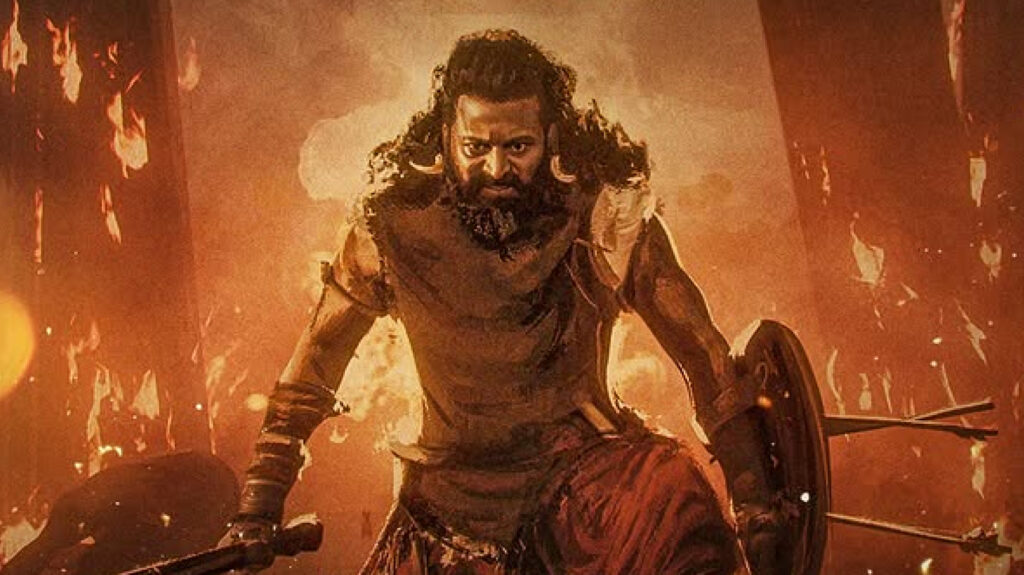
Kantara Chapter 1: The Story Before the Legend
Now that Kantara: Chapter 1 has hit theatres, audiences finally get to witness the origin story that started it all.
Unlike the 2022 film which explored the struggle between villagers, land, and divine justice Chapter 1 takes us centuries back. It dives into the mythological and spiritual roots of the Daiva tradition, exploring how these sacred guardians came to protect the land in the first place.
The prequel is grander in scale but still grounded in emotion. There are breathtaking landscapes, haunting rituals, and heart-pounding sequences but also quiet, poetic moments that explore human faith and fear.
Critics and fans have praised Chapter 1 for maintaining Kantara’s soul while expanding its world. It’s proof that you can make a myth epic without losing its heart.
From Coastal Karnataka to Global Conversations
Here’s what’s truly fascinating: Kantara wasn’t a one-time miracle. Its success proved that regional stories could go global.
Subtitled versions reached theatres across India and streaming platforms around the world. Audiences from Japan to the US posted reaction videos, mesmerized by a culture they had never seen before.
With Chapter 1 now out, the same energy is back. Theatres in every corner of India are packed not just with Kannada speakers, but with people curious to experience something real.
This isn’t just a box-office trend it’s a cultural shift.
Why Kannada Cinema Is Leading India’s Storytelling Evolution
Let’s talk about the bigger picture: the rise of Kannada cinema.
For decades, the Kannada film industry lived quietly in the shadow of Tamil, Telugu, and Hindi cinema. But the last few years have changed everything.
- KGF Chapter 1 & 2 brought global attention with their high-octane action and cinematic swagger.
- 777 Charlie melted hearts with its emotional storytelling and humane message.
- Garuda Gamana Vrishabha Vahana showcased the industry’s artistic depth.
- And Kantara redefined what cultural cinema could achieve commercially.
Now, Kantara: Chapter 1 cements that evolution. It’s no longer “regional cinema.” It’s Kannada cinema leading India’s creative conversation.
The success formula?
- Authentic stories.
- Cultural roots.
- Universal emotion.
These films don’t imitate Bollywood they inspire it.
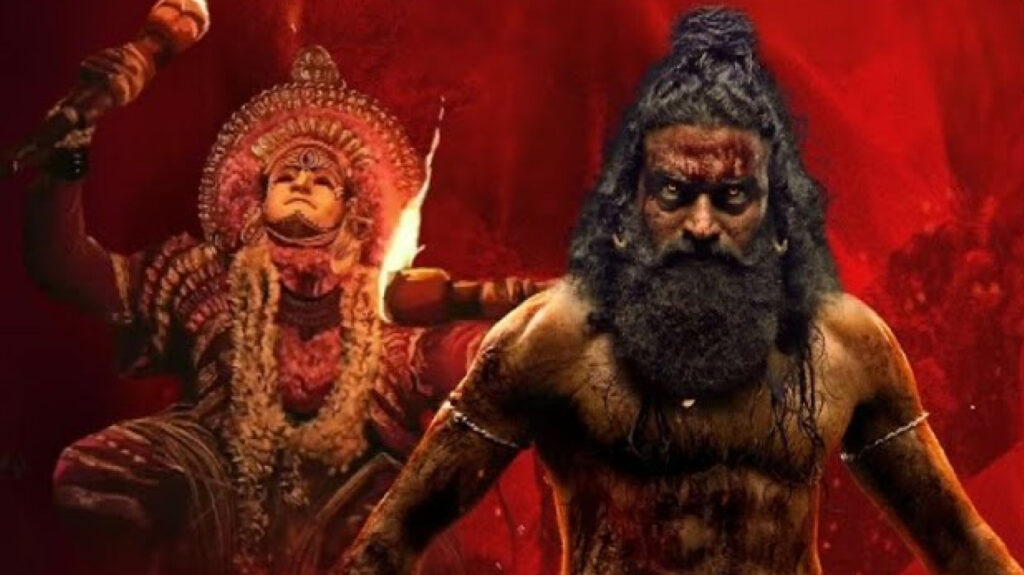
From Regional to Pan-India: Why Audiences Are Listening
Today’s viewers want truth in storytelling. They’re done with over-the-top clichés and cookie-cutter plots.
That’s why movies like Kantara, Manjummel Boys, Premalu, and Sapta Sagaradaache Ello are thriving. They speak in their native tongue but touch every heart.
Chapter 1 builds on that trend it doesn’t pander to a national audience, it simply invites them.
The result? Full houses, repeat viewings, and glowing reviews that cut across linguistic lines.
What Kantara Chapter 1 Means for India’s Film Future
Here’s the bigger takeaway: the rise of Kantara and its prequel is not just a victory for Rishab Shetty it’s a blueprint for Indian cinema’s future.
For decades, we’ve said “Bollywood represents India.” But now, India represents all its cinemas Kannada, Tamil, Telugu, Malayalam, Marathi, Bengali, and more.
Each one brings its own voice, faith, and rhythm. And when audiences support them, we get richer, more diverse stories.
Kantara Chapter 1 reminds filmmakers everywhere: success isn’t about scale it’s about sincerity.
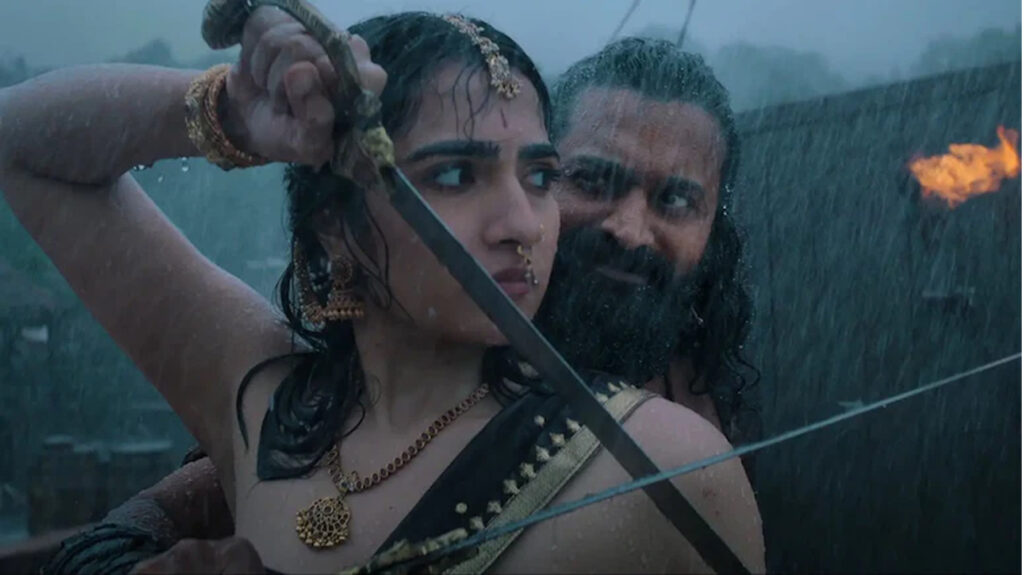
The Rise of Kannada Cinema: A Movement, Not a Moment
What’s happening in Kannada cinema isn’t just a hot streak it’s a movement.
- Technically: Kannada films are now matching the production quality of pan-India blockbusters.
- Culturally: They’re unafraid to showcase regional rituals, dialects, and traditions.
- Commercially: They’re breaking language barriers in box offices nationwide.
And the audience? They’re ready. People want cinema that feels real. Whether it’s a supernatural myth, an emotional drama, or a gritty crime story Kannada filmmakers are proving they can do it all.
Kantara Chapter 1 is simply the latest jewel in a crown that’s shining brighter than ever.
Final Thoughts: The Spirit Continues
From Kantara’s humble beginnings to Chapter 1’s triumphant release, one thing has stayed constant faith.
Faith in stories.
Faith in culture.
Faith that audiences will recognize honesty when they see it.
Rishab Shetty has shown that when you stay true to your roots, the world listens. Kantara Chapter 1 isn’t just another prequel it’s a living, breathing example of what happens when cinema becomes culture.
And in doing so, it marks a new era not just for Kannada cinema, but for Indian storytelling as a whole.